Back

All About Lavender

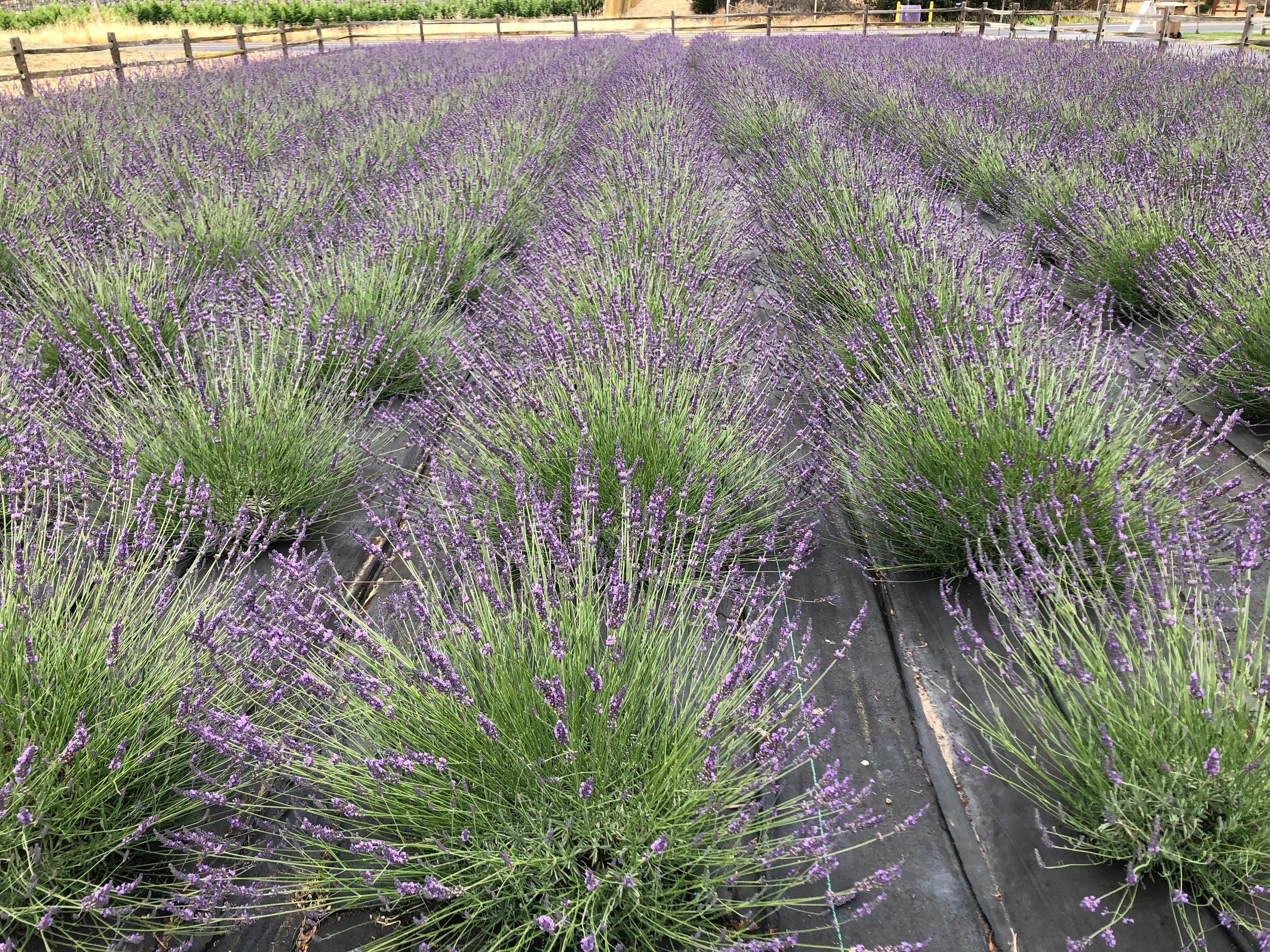
Lavenders are all members of the same botanical genus: Lavandula. There are about 28 species of lavender, and each one is distinguished from one another by a different species name. For instance, Lavandula viridis, Lavandula lanata, Lavandula dentata.

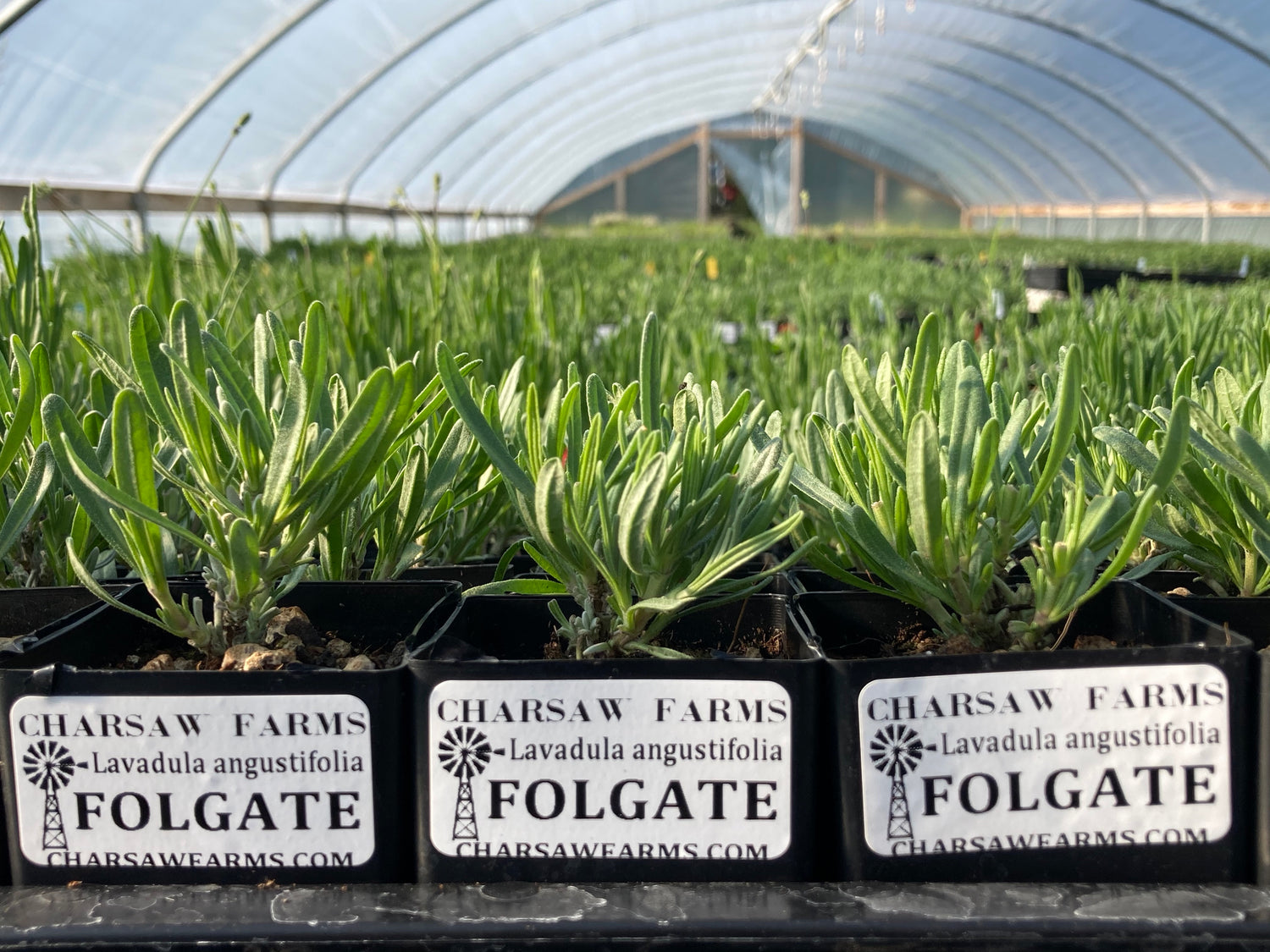
The most popular lavenders fall into two basic groups. The first are all cultivars of the species Lavandula angustifolia and are often called English lavenders. Some books use the names L. vera or L. officinalis for English lavender, but both names are incorrect. The second group is made up of hybrids between the English lavenders and another species, Lavandula latifolia, and is called the lavandins (L. x intermedia).

Both of these groups have gray/green foliage, make nice low shrubs, and are hardy down to about USDA Zone 5. They prefer full sun and a well-drained soil. All are fragrant, and though the compositions of their essential oils do differ, it is difficult for most people to tell them apart by their scents.

The biggest differences between them are in their heights, flower colors, the size of the flower heads, and the time of blooms. The English lavenders tend to bloom in early summer, the lavandins in midsummer. The darkest flower colors are among the English lavenders, while the tallest plants, the longest flower stems, and the largest flower heads are among the lavandins.

Many people prefer the darker English cultivars and the lavandins ‘Grosso’ and ‘Abrialii’ for dried flowers and the lavandins for the making of lavender wands (dollies).

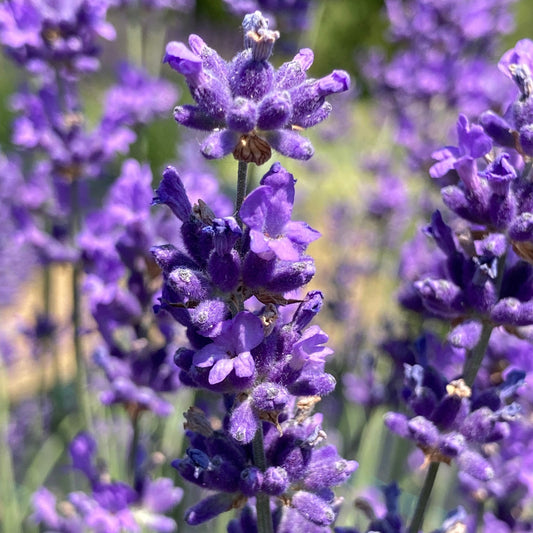
It’s important to note that the lavender flower is made up of two parts, the corolla and the calyx, each with a different color. The tubular corollas, what we usually think of as the petals, are most often violet colored, though some are white or light pink. The calyx colors range from a very deep purple to a light violet/green. When lavender flowers dry, the corollas fall out or shrivel up and only the calyx color remains. So when you choose a cultivar for dried flowers it is only the calyx color that matters.

The biggest killers of lavenders are root-rotting diseases, which proliferate in high humidity and wet soils. These are especially a problem for the English and lavandins. If you live in a humid area, like the Southeast, give your plants as much air circulation as possible. Don’t crowd them in and don’t try growing a lavender hedge. If one plant catches a disease, it’s likely to skip right down the row. Don’t use organic mulches, but instead try pea gravel or white sand. Increase your drainage by planting in mounds or raised beds, and incorporate crushed granite, like chicken grit, into the top 12" of the soil.

The soil should be slightly acidic. Though lavenders don’t require a lot of fertilizer, some should be added each spring. Chicken manure actually has a fungal deterring component and is especially safe to use.

The easiest lavenders to grow in hot, problem areas are the French (L. dentata), Spanish (L. stoechas), and the hybrids ‘Goodwin Creek Grey’, L. x heterophylla and L. x allardii. None have the traditional look of the lavandins or English, but all have their own charm and usefulness in the landscape. These are also some of the best lavenders for containers, and all but the Spanish will bloom nearly year-round if given enough warmth and sunlight.

We hope the following charts and descriptions will help you to sort out the many types of lavender which we grow.

English Lavenders/Lavandula angustifolia Zones 5-9
Cultivar Description Height (feet) Flower Color Calyx/Corolla
'Buena Vista' Showy flowers appear throughout summer 2 Dark purple/violet
'Compacta' Nice compact growth for low hedges Purple/violet
croxtons wild Grown from seeds wild-collected in Europe 2 Purple/violet
'Graves' Very tall and productive, fresh or dried 2½ - 3 Purple/violet
'Hidcote' Short stems, but a very dark color. Excellent dried 1½ - 2 Very dark purple/violet
'Hidcote Pink' Compact plants with light pink flowers Green/light pink
'Irene Doyle' Especially fine fragrance, it blooms heavily summer and fall 1½ - 2 Light purple/violet
'Loddon Blue' Similar to ‘Hidcote’, but with slightly longer stems 1½ - 2 Very dark purple/violet
'Martha Roderick' Semi-dwarf plant with a beautiful mounding habit 1 - 1½ Light purple/violet
'Munstead' Compact growth for hedges and an early bloomer Purple/violet
'Nana Alba' Short white flowers and very compact growth 1 - 1½ Green/white
'Premier' Whorls on the spikes are well separated, giving an airy look 2 Dark purple/violet
'Rosea' Light pink flowers 2 Green/light pink
'Royal Velvet' Longer stems than our other dark cultivars 2 Very dark purple/violet
'Seals Seven Oaks' Our earliest bloomer by about 2 weeks 2 Light purple/violet
'Sharon Roberts' Blooms heavily in summer and fall 2 Dark purple/violet
'Twickel Purple' Very long stems fan out around the plant 2 Dark purple/violet
lavandins/Lavandula x intermedia, Zones 5-9
Cultivar Description Height (feet) Flower Color Calyx/corolla
'Abrialii' One of the darker lavandins Dark violet green/violet
'Alba' Large spikes of pure white flowers Green/white
'Dutch' Beautiful silvery foliage and narrow flower spikes Violet green/violet
'Fred Boutin' One of our most silvery lavandins, with nice growth habit Violet green/violet
'Grappenhall' One of the tallest lavandins, often used for hedges 3 - 4 Violet green/violet
'Grosso' A great all-round plant, with darker flowers than most lavandins Dark violet green/violet
'Hidcote Giant' Very large flower heads on very long stems Light violet green/violet
'Buena Vista' Showy flowers appear throughout summer 2 Dark purple/violet
'Provence' Excellent hedge plant and our favorite for making wands Violet green violet/violet
'Seal' A very tall cultivar, with numerous flowers and silvery foliage 3 - 4 Light violet green/violet
'Super' Very large flower heads, considered one of the best lavandins for essential oil 3 Light violet green/violet
other lavenders/Lavandula
Name Description Height (feet) Zones
Allardii (L.x allardii) A hybrid of French, with silvery-toothed leaves. Good for hot, humid areas. Light lavender flowers 4-5 9 - 10
'Atlas' (L. stoechas cv.) Similar to Spanish, but with longer flower stems and larger heads 8 - 9
Fernleaf (L.multifida) Finely divided foliage with a strong, earthy aroma. Showy light purple flowers 9 - 10
French (L. dentata) Bright green leaves with indented margins and a strong scent. Compact flower heads have showy, light purple top bracts. 2 - 4 9 - 10
French Gray (L. dentata var. candicans) Similar to above, but leaves are more silvery 2 - 4 9 - 10
‘Goodwin Creek Grey’ This is a cultivar we discovered, which blooms throughout the year in warm climates. Great for large tubs or topiaries. Silvery foliage and deep corollas 3 7 - 9
Green (L. viridis) Bright green, pine-scented foliage. Compact flower heads with yellowish green top bracts. Blooms throughout the summer 3 8 - 9
‘Linda Ligon’ (L. dentata cv.) A sport of French, it has finer foliage and white variegation 3 9 - 10
‘Richard Gray’ A recent introduction, this Woolly hybrid has very silvery foliage, compact growth, and bright purple corollas 7 - 9
‘Silver Frost’ One of the most silvery lavenders. Silvery blue calyces and deep purple corollas 6 - 9
Spanish (L. stoechas) Compact flower heads, with bright purple top bracts. 2 8 - 10
Spike (L. latifolia) Well-branched, with fragrant violet/green flower heads. The last lavender to bloom in our garden. Favorite of Skippers. 2 - 2½ 7 - 9
Spanish (L. stoechas) Compact flower heads, with bright purple top bracts. 2 8 - 10
Sweet Lavender (L. x heterophylla) An old hybrid of French, with green, dentate leaves and light purple violet heads. Nice in large tubs. 3 9 - 10
White Spanish (L. stoechas leucantha) Similar to Spanish, but with white corollas and top bracts. 2 8 - 10
Woolly (L. lanata) Silvery, woolly leaves and deep purple corollas. More temperamental than most in wet, humid areas. 2 8 - 9

Here is a recipe for lavender ice cream, created by master chef Christina Orchid. We first sampled it at her Eastsound, Washington (Orcas Island) restaurant, Christina’s. The dinner was fantastic, and we are very pleased that she could share this recipe with us.

Christina's lavender ice cream
2 cups heavy cream
5 cups half and half
6 whole eggs
1 cup sugar
1 cup honey
½ to 1 cup dried lavender (english is best)
drop of real vanilla

Begin by heating a cup of the cream with the dried lavender and the sugar until it just begins to scald. Let the hot cream and lavender infuse over low heat for at least 20 minutes. Do not boil.

Meanwhile in a large bowl, combine the eggs and the honey. Whisk together until well blended.

Strain the hot lavender infused cream into the egg mixture, whisking well. Press the lavender in the strainer to get all the cream and to help release even more of the lavender flavor into the bowl.

Whisk well, return to a saucepan, place over medium heat and then cook for 5 minutes, or until the eggs begin to thicken (160° F). Set the custard mixture aside to cool and assemble all the remaining ingredients together in the bowl. Add the cool mixture, chill, and then freeze in your ice cream maker according to manufacturer's directions.

This recipe makes about 3 quarts.

Back